
Basic Theory – Complete Index
Basic theory forms the scientific backbone of chemical engineering practice. This section analyzes thermodynamics, fluid mechanics, and heat transfer as the theoretical tools required to understand and design industrial processes.
If you don’t know where to start, begin from these core principles.
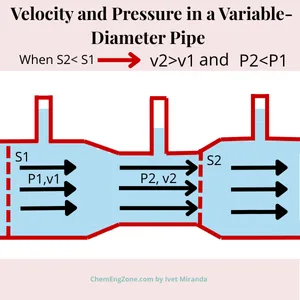
Bernoulli’s Principle: Equation&Applications
Bernoulli’s principle explains how pressure, velocity, and elevation are linked through mechanical energy conservation in fluid flow, with practical engineering …
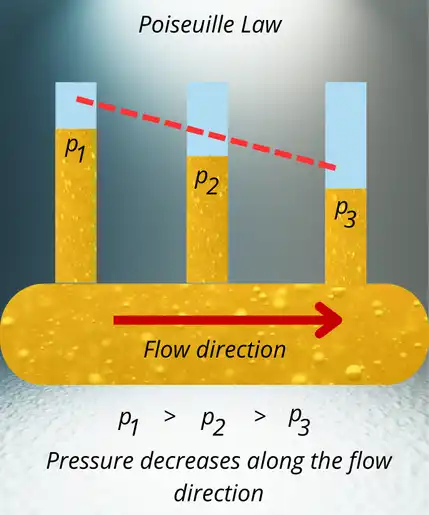
The Law of Poiseuille and Laminar Pipe Flow
Poiseuille’s law explains why pressure continuously decreases in laminar pipe flow due to viscous energy dissipation, even in pipes with …
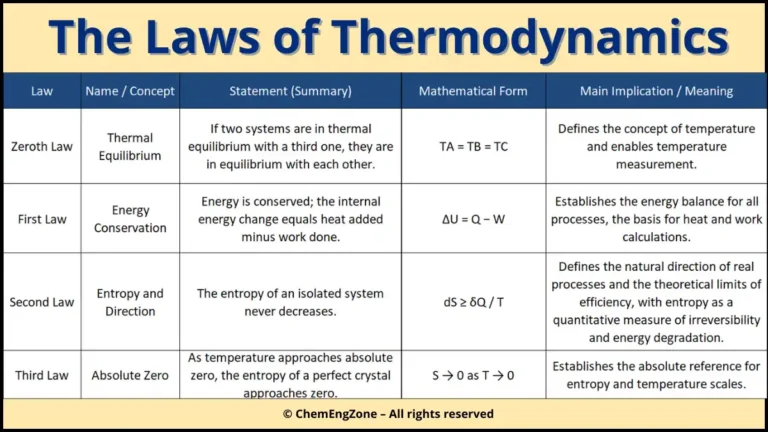
The 4 Laws of Thermodynamics
The four laws of thermodynamics establish the physical boundaries of engineering systems, defining equilibrium, energy conservation, irreversibility, and absolute entropy …
Basic Theory for Chemical Engineers: What You Actually Need in the Plant
This section is structured to help you build a solid engineering foundation.
Core Concepts
- What Is Chemical Engineering? Definition & Scope
- Chemical Engineering Core Disciplines – A Practical Overview
- What Does a Chemical Engineer Do in Industrial Environments?
Thermodynamics
- The 4 Laws of Thermodynamics
- Joule’s Experiment and the First Law of Thermodynamics
- Second Law of Thermodynamics
- Work in Thermodynamics: PV Diagrams
- What Is Entropy? An Engineering Perspective