
Advance Your Chemical Engineering Expertise
Practical guides and real-world examples in unit operations, process fundamentals, and process safety — tailored for students, engineers, and industry professionals.

Introductory Articles
Chemical Engineering: An Industrial Perspective
Degree structure, core disciplines, entry-level roles, and how engineers operate in real industrial systems.

Core Responsibilities of a Chemical Engineer
Career Opportunities
Decision-making, process ownership, and technical accountability in industry
Recent Technical Articles
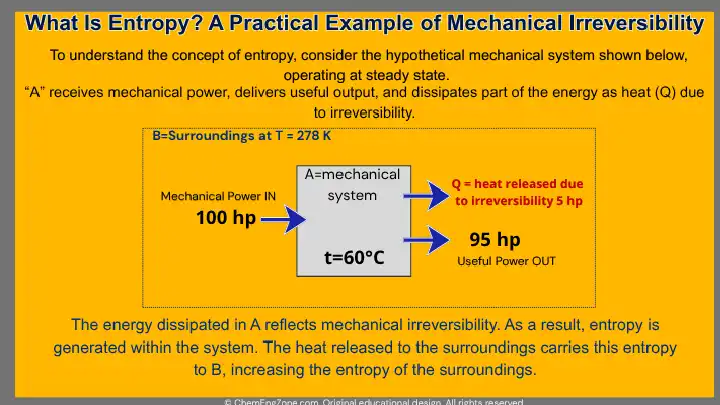
What Is Entropy? An Engineering Perspective
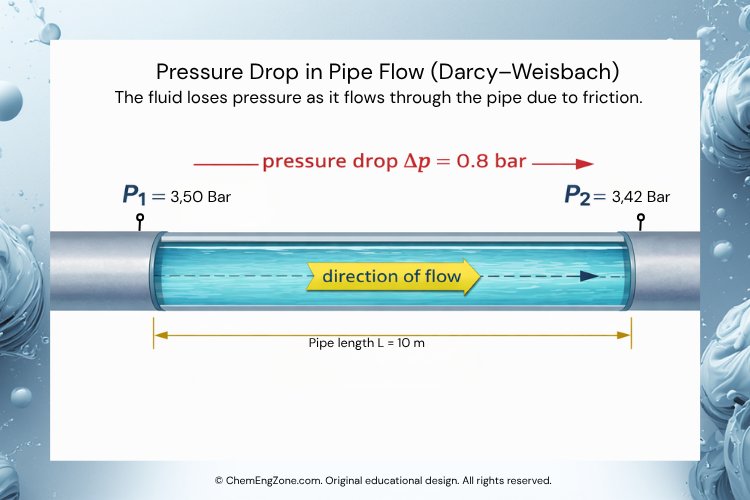
Darcy-Weisbach Equation Explained
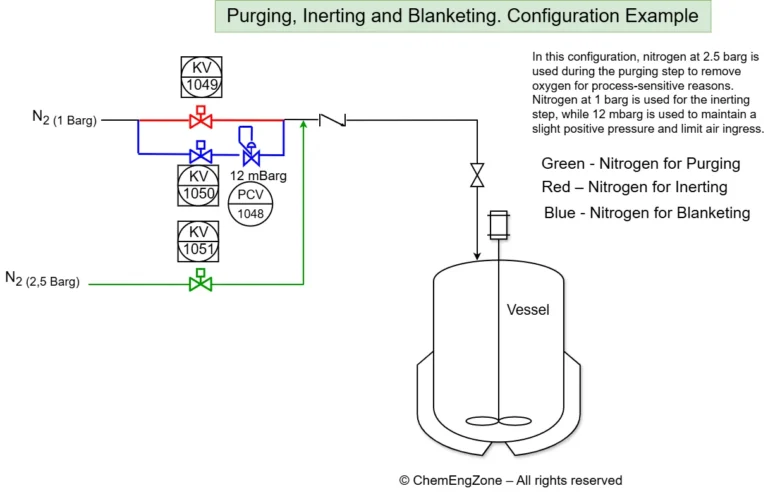
Purging vs Inerting vs Blanketing: Differences
Get notified when new technical articles are published.
FAQ
Who is ChemEngZone for?
ChemEngZone is designed for chemical engineers and engineering students who want to strengthen technical reasoning, understand real industrial systems, and build professional authority beyond academic theory.
Are the articles academic or industry-oriented?
The content focuses on applied engineering, real plant scenarios, and decision-making in industrial environments, not on purely academic derivations.
Do I need advanced experience to follow the articles?
No. Articles range from foundational concepts to advanced topics, but always explained from an engineering perspective.
What kind of learning experience does ChemEngZone offer?
ChemEngZone focuses on technical reasoning, applied engineering examples, and real industrial decision-making, helping engineers strengthen their professional understanding beyond textbooks.