Skip to content

chemical engineering

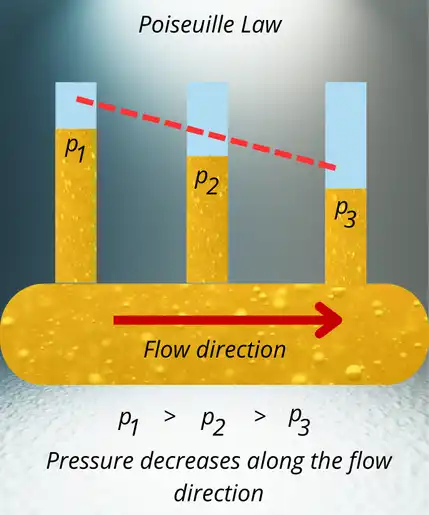
Diagram Poiseuille law showing pressure decrease along a horizontal pipe due to viscous head loss in laminar flow (p1 > p2 > p3)

3. Law of Poiseuille: Viscous Flow in Pipes

  • CEZ 

Poiseuille’s law explains why pressure continuously decreases in laminar pipe flow due to viscous energy dissipation, even in pipes with constant diameter and steady velocity.

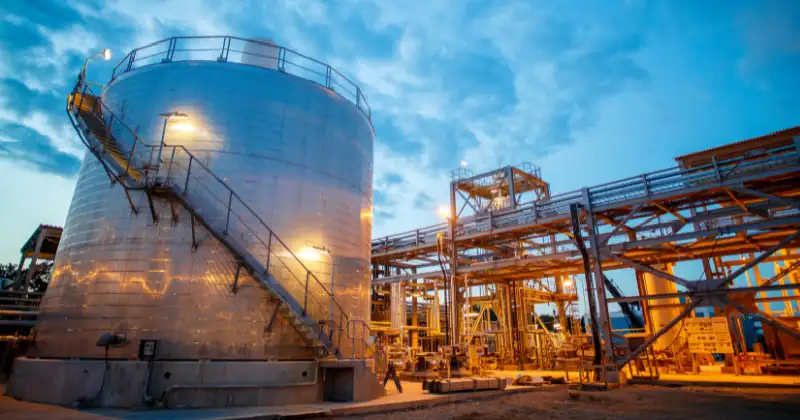
Industrial storage tank and process piping system in a chemical plant, illustrating typical equipment involved in SIL and LOPA evaluations.

LOPA & SIL: Practical Examples

  • CEZ 

A LOPA analysis is required only when the residual frequency of a major accident scenario remains too high after all independent protection layers are considered. This article explains how HAZOP identifies the hazardous scenarios, how LOPA quantifies the risk gap, and when a SIL-rated safety function becomes necessary—illustrated through two practical process examples.

P&ID example showing safety interlocks on a hot-water tank with rupture disc, control valves and emergency catch tank in a chemical plant

Safety Interlocks: P&ID Example

  • CEZ 

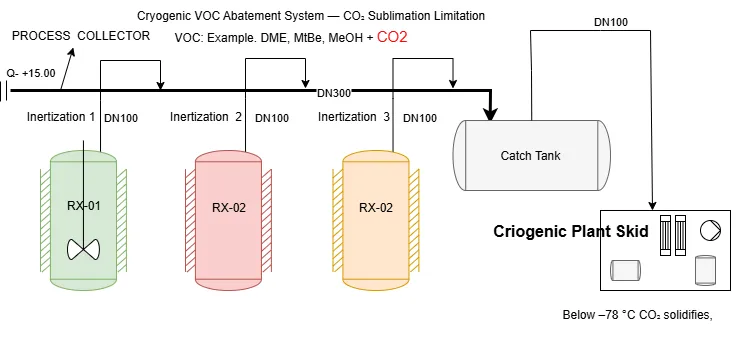
Cryogenic VOC abatement systems are highly effective but face operational limits when CO₂ or water freezes at low temperatures. This article explores how molecular sieves complement cryogenic units by removing critical impurities and ensuring safer, cleaner, and more efficient gas purification across complex industrial vent streams.

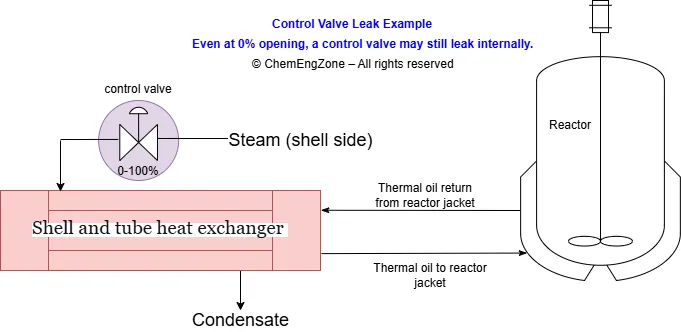
P&ID diagram showing control valve leakage scenario with modulating valve and on-off valve in a distillation system.

Control Valve Leakage: Often Used Upstream

  • CEZ 

Even a small internal leakage through a control valve can change process behavior and compromise safety.
This article explains why control valves do not provide tight isolation, how their position in the line affects pressure and flow, and why leakage scenarios must be included in HAZOP analysis.

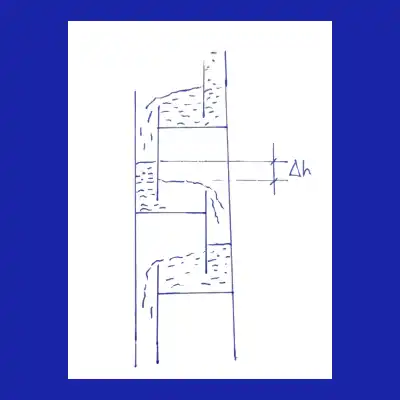
Diagram of a distillation tray column showing liquid flow and height difference Δh between trays

Tray Efficiency: Improve Column Performance

  • CEZ 

Discover the key differences between tray and packed columns in distillation. This guide explains efficiency metrics, pressure drop, flow range, maintenance, and typical industrial uses with a clear infographic.

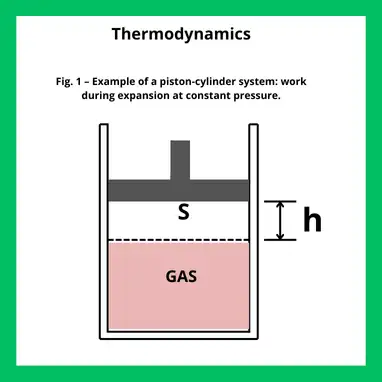
Piston-cylinder diagram showing gas expansion at constant pressure

2. Work in Thermodynamics. PV Diagrams

  • CEZ 

Thermodynamics work describes the mechanical energy exchanged between a system and its surroundings during a transformation. From piston expansion to cyclic processes, it is represented in P–V diagrams as the area under the curve or enclosed by the cycle, making it a key concept for applying the First Law of Thermodynamics.

Horizontal storage tanks used in oil and gas field operations, designed for liquids and temporary storage.

Vacuum Tank Collapse: Hazards&Prevention

  • CEZ 

Vacuum conditions in storage tanks can lead to severe structural failures if not properly considered during design and operation. This article explains the main risks of vacuum in tanks, common collapse scenarios, and engineering solutions to prevent them.

Process engineer in orange PPE standing in front of industrial control equipment and pipelines

Career Opportunities in Chemical Engineering

  • CEZ 

Discover the wide range of career paths available to chemical engineers — from plant operations to sustainability, safety, R&D, and leadership roles. Learn where chemical engineers work, what skills they need, and which industries offer the highest salaries worldwide.

Technical diagram of two reactors RX-01 and RX-02 connected to a process vent collector (vent line DN100-DN200)

Vent Header Design: Why Top Tie-Ins Are Safer

  • CEZ 

Vent header design is critical for safe reactor operation. This article explains why top tie-ins are preferred over bottom tie-ins, how to prevent condensate backflow, and which best practices ensure reliable vent systems connected to a catch tank.