
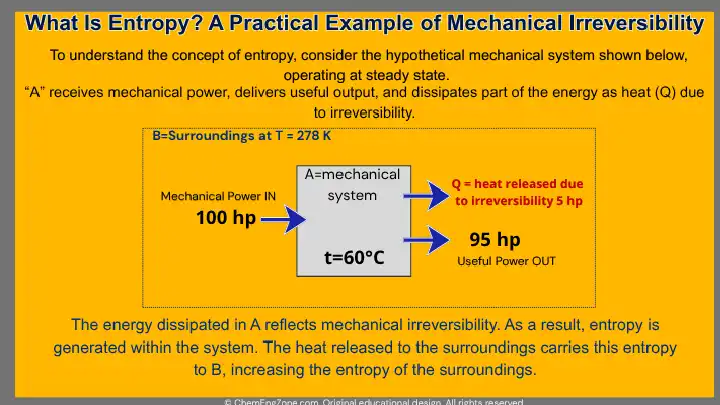
What Is Entropy? An Engineering Perspective
Entropy in thermodynamics explained through a practical engineering example. Learn how irreversibility generates entropy in real systems.
Ing. Ivet Miranda is a chemical engineer with 20+ years of experience in chemical engineering, process safety, and plant engineering.

Entropy in thermodynamics explained through a practical engineering example. Learn how irreversibility generates entropy in real systems.
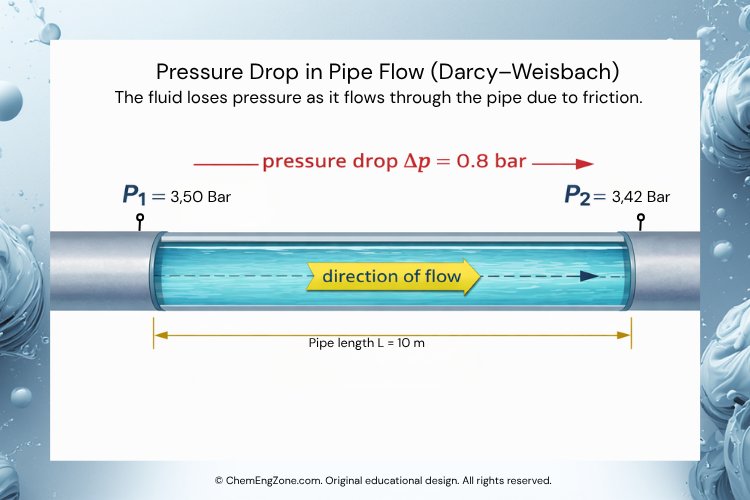
Darcy-Weisbach equation explained for pipe pressure drop calculations, including friction factor, Reynolds number, pipe roughness, fittings, valves, and total pressure loss in real piping systems.
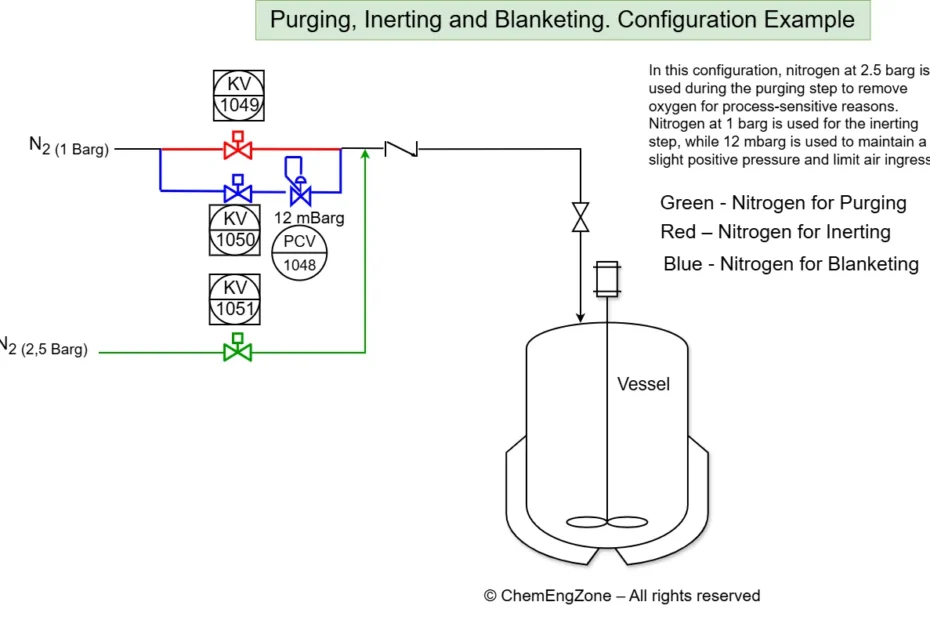
Purging replaces the atmosphere, inerting reduces oxygen below flammable limits, and blanketing maintains a protective inert gas pressure over time.
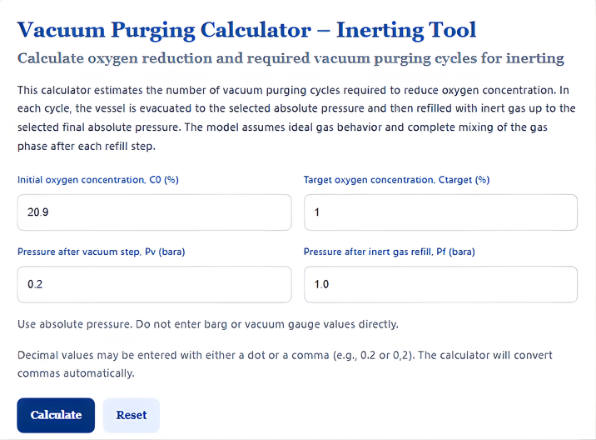
Engineering calculators for vacuum purging, pressure purging, and nitrogen flushing, developed to estimate oxygen reduction during inerting and purging operations
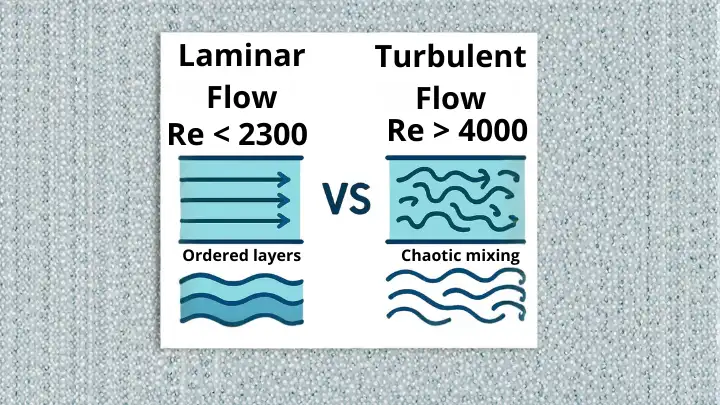
The Reynolds number is one of the most important parameters in fluid mechanics. This article explains what it represents, how it is calculated, and why engineers use it to distinguish laminar and turbulent flow.
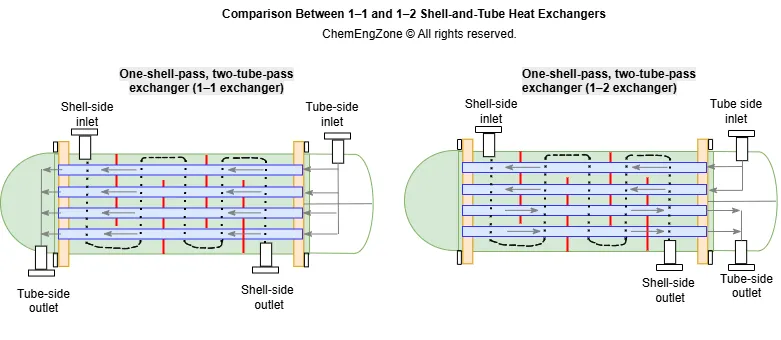
A shell and tube heat exchanger transfers heat between two separated fluids using a tube bundle inside a cylindrical shell. This article explains its construction, flow arrangements (1–1 and 1–2), and key design principles used in chemical engineering.
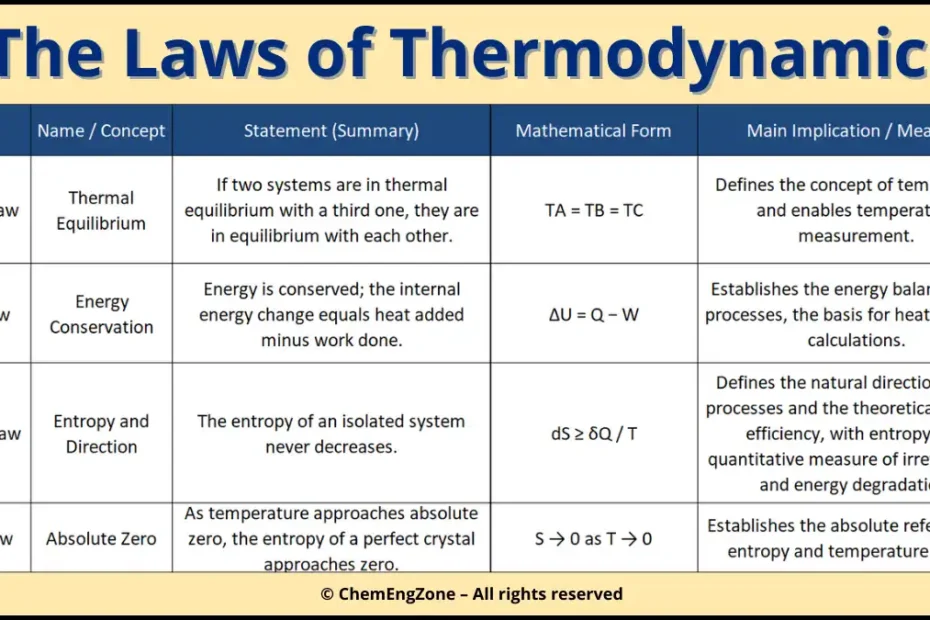
The four laws of thermodynamics establish the physical boundaries of engineering systems, defining equilibrium, energy conservation, irreversibility, and absolute entropy.
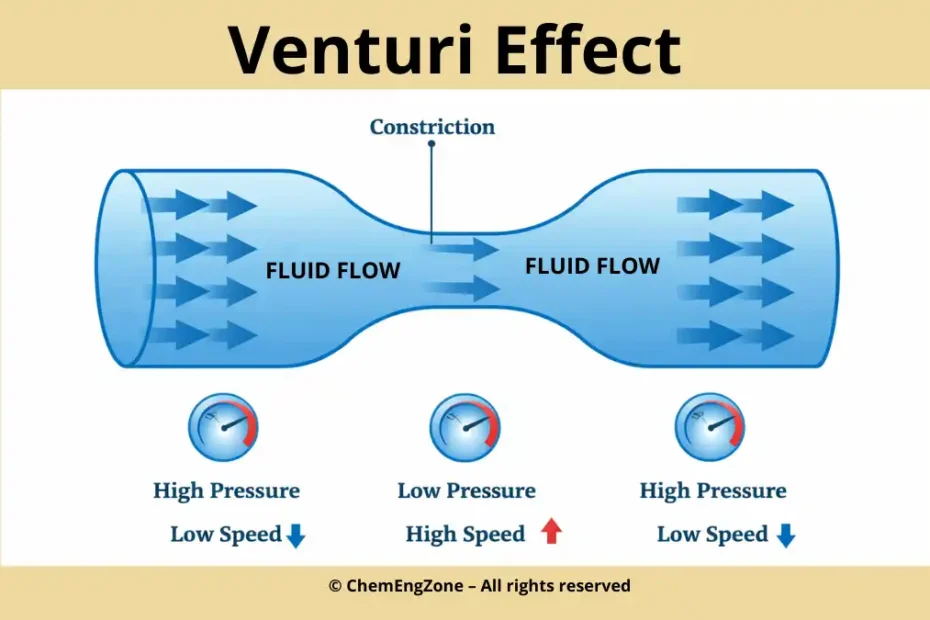
A clear Bernoulli principle example illustrating the Venturi effect and the relationship between pressure, velocity, and pipe geometry.
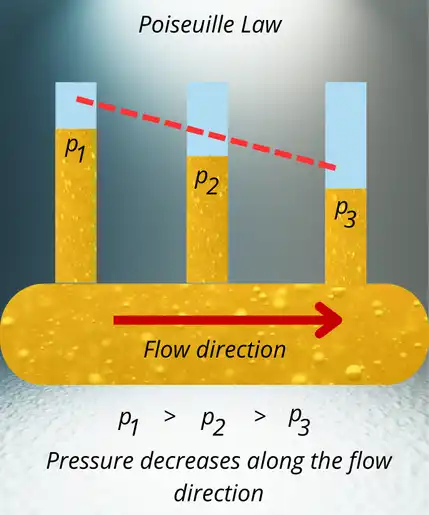
Poiseuille’s law explains why pressure continuously decreases in laminar pipe flow due to viscous energy dissipation, even in pipes with constant diameter and steady velocity.
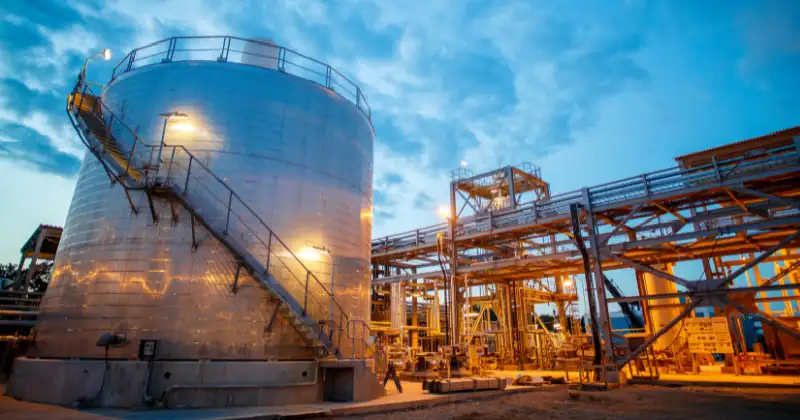
A LOPA analysis is required only when the residual frequency of a major accident scenario remains too high after all independent protection layers are considered. This article explains how HAZOP identifies the hazardous scenarios, how LOPA quantifies the risk gap, and when a SIL-rated safety function becomes necessary—illustrated through two practical process examples.