← Back
Skip to content

Ing. Ivet Miranda

Ing. Ivet Miranda is a chemical engineer with 20+ years of experience in chemical engineering, process safety, and plant engineering.

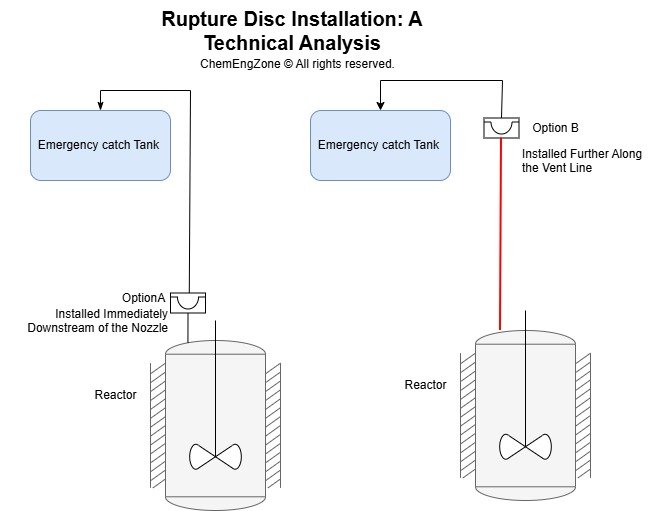
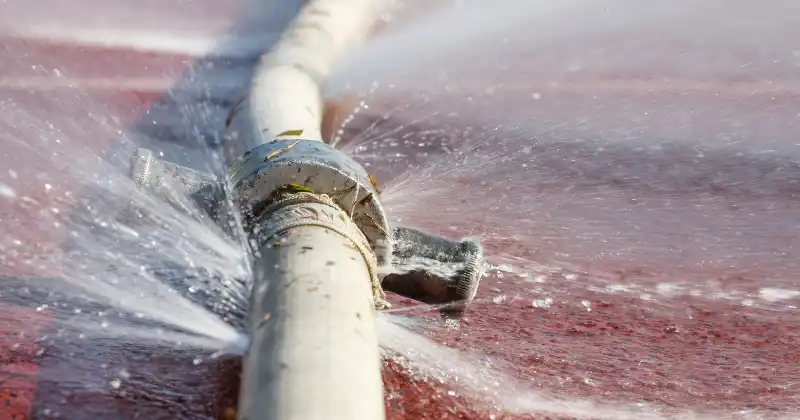
Comparison of rupture disc installation close to vessel nozzle versus extended inlet line along vent line

Rupture Disc Installation: Where to Place It

Rupture disc installation is not only a mechanical task but a hydraulic decision. This article examines how inlet line length, intermediate volume, and backpressure influence disc activation and overall relief system performance.

Industrial workshop interior with large machinery, steel pipes, and overhead cranes.

Decarbonization: VSD Pump Level Control

Variable Speed Drive (VSD) pumps with level control can reduce energy consumption and support industrial decarbonization. This article explains how the technology works, shows practical examples, and highlights the role of chemical engineers in achieving sustainability goals.

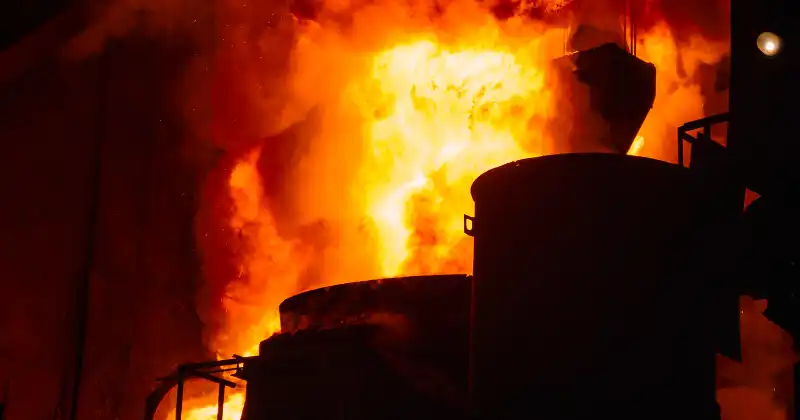
Industrial tank engulfed in flames during an ATEX-related explosion in a chemical plant

Hazardous Area Classification: ATEX Zones

Understand the fundamentals of ATEX zone classification for gases, vapours, and mists according to Directive 1999/92/EC. This article explains where the classification applies, how to interpret Zones 0, 1, and 2, and what to consider for equipment such as pumps, piping, and tanks — including internal volumes.

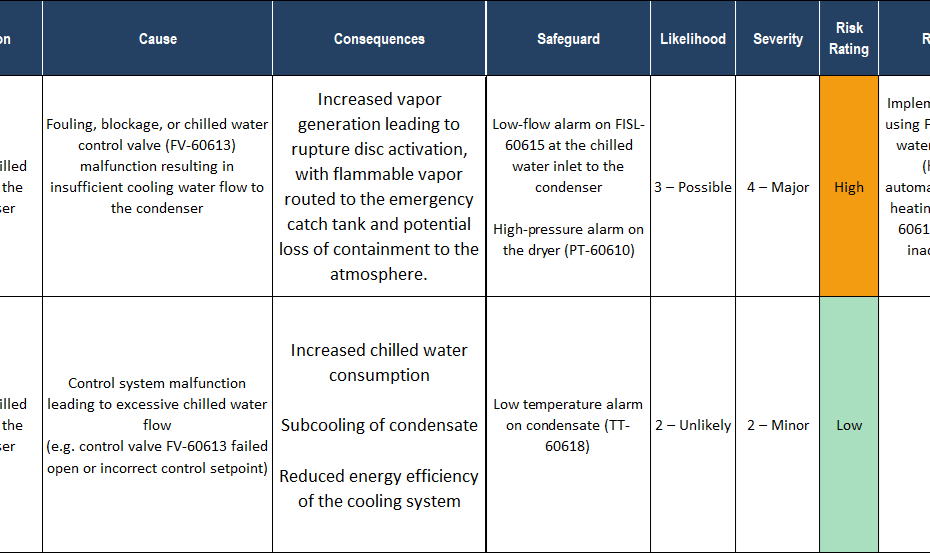
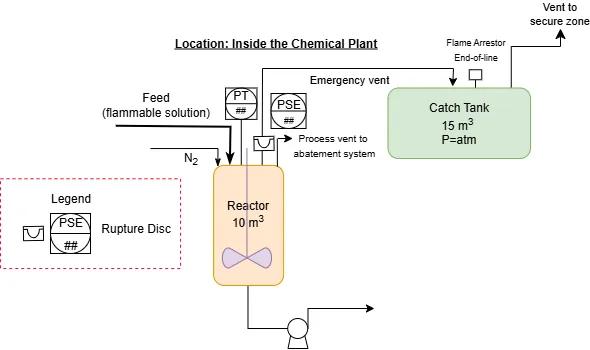
Process diagram with rupture disc protecting a reactor, discharging to a catch tank for flammable solution containment

Rupture Disc Activation: Near Miss or PS Event

When a rupture disc activates, it represents a process deviation that must be recorded within the Safety Management System. Depending on the outcome, it may be classified as a near miss, a contained release, or an incident requiring further investigation.

Get Free PDF